

What is colour rendering (CRI) and why is it important?
- Posted on
- 0
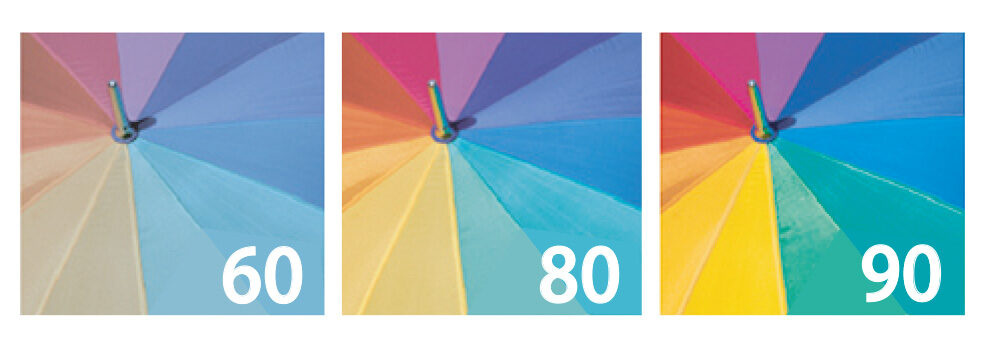
CRI indicates how accurately colours are displayed under a light source. The higher the CRI, the more beautiful and realistic colours appear. Especially with LED lighting, this is a crucial quality feature.
CRI stands for Color Rendering Index. It is a score from 0 to 100 that shows how well a light source renders colours compared to natural daylight. The higher the CRI, the more naturally colours are perceived.
A CRI of 100 equals perfect colour vision, as under sunlight.
Why is CRI important?
Light determines how we see colours. A low CRI can cause:
Wood to look yellowish or dull
Skin tones to appear pale
Clothing, art and furniture to lose their true colour
Food to look less appealing
A high CRI makes colours vibrant, true and comfortable for the eye.
What is a good CRI value?
CRI 80+: standard and suitable for most living spaces
CRI 90+: premium quality, ideal for kitchens, bathrooms, retail, art and photography
CRI 95+: specialised applications where colour accuracy is extremely important
In modern LED lighting, CRI 90+ is increasingly becoming the new standard.
Where does CRI make the biggest difference?
Living and dining room
Colours of furniture, fabrics and wood appear warmer and richer with CRI 90+.
Kitchen and dining area
CRI influences how food looks. Higher CRI makes food appear fresher and more natural.
Bathroom and dressing area
For make-up, clothing choices and skin tones, CRI 90+ is strongly recommended.
Retail and workspaces
Products and materials are assessed more accurately with high colour fidelity.
Does CRI affect energy savings?
Not directly. But good light feels brighter and more pleasant, meaning you often need less of it.
On My Planet Led product pages, the CRI value is clearly indicated, helping you choose lighting that truly does justice to colours.
Comments
Be the first to comment...