

Garden lighting for safety: what do you need?
- Posted on
- 0
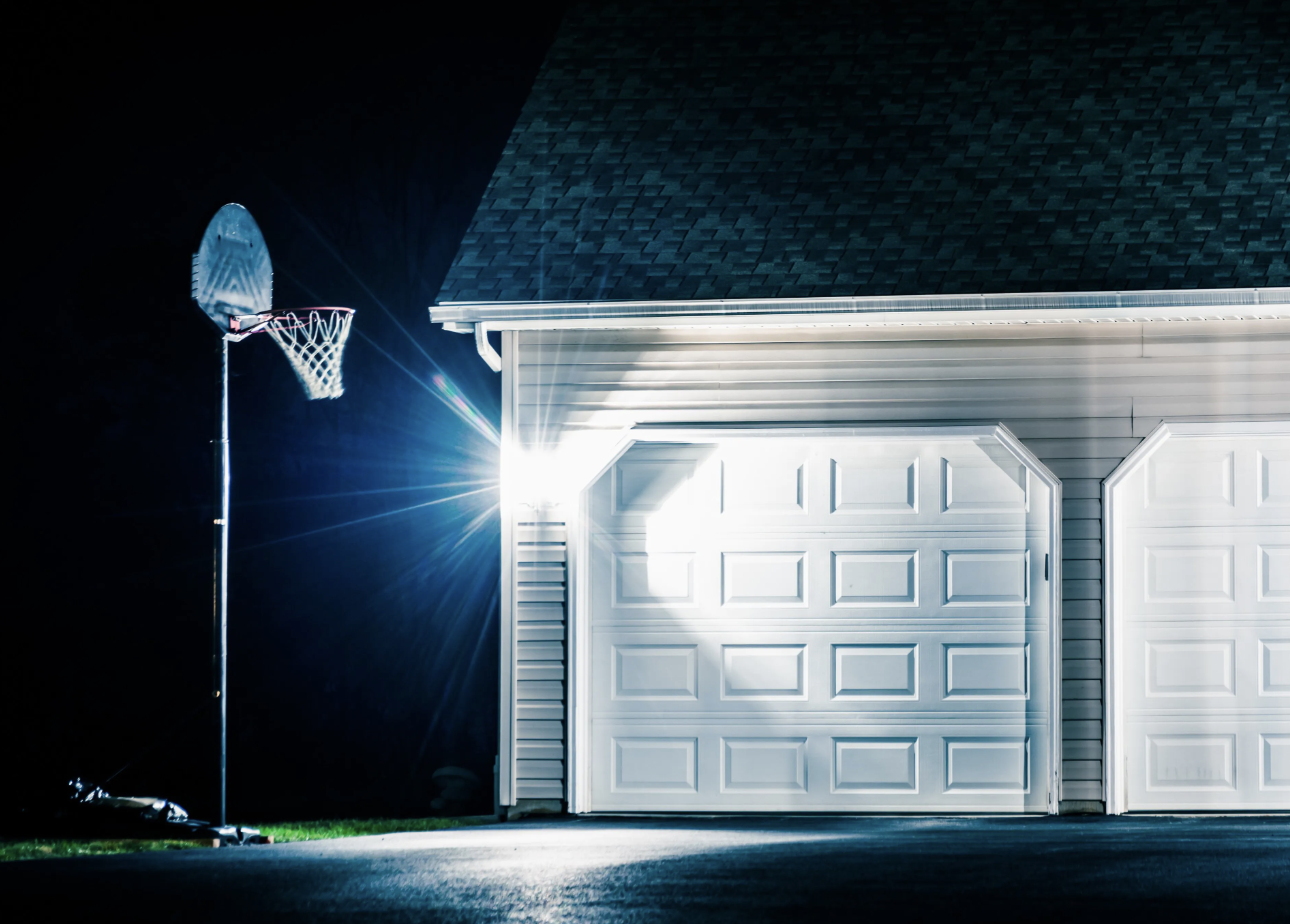
Garden lighting not only increases ambience but also safety. With the right placement, light output and IP rating, you can make paths, terraces and outdoor areas safely accessible in the dark.
A well-lit garden prevents tripping hazards, makes the terrain clear and gives a safer feeling around your home. Especially on stairs, paths and entrances, lighting is not a luxury but a practical necessity. The good thing is that safe lighting can also be stylish.
Start with the most important routes
Illuminate all walkways you use frequently:
Path to the front door
Terrace and steps
Path to garage or carport
Back door and garden gate
Low-positioned fixtures such as ground spots, spike spots or low bollards provide guidance without glare.
Choose sufficient light output
For safety, brightness is more important than ambience. Guideline:
150–300 lumens per light point for paths
300–500 lumens for entrances and stairs
You can always combine this with softer ambient lighting for balance.
Pay attention to the IP rating
Outdoor lights need protection against rain and dirt.
Minimum IP44 for sheltered areas
IP65 or higher for open areas
IP67 for ground spots or areas with water contact
A too low IP rating can lead to defects or short circuits.
Sensors make it safer and more efficient
Motion sensors switch lighting on only when needed. Useful for:
Gates
Parking areas
Back door
Dark corners
A dusk sensor ensures that lights automatically turn on when it gets dark outside.
Avoid glare
Light shining directly into the eyes is unsafe. Choose fixtures with:
Indirect light
Shielded light source
Adjustable beam
This keeps your visibility clear, even at night.
With the right combination of path lighting, wall lights and sensors, your garden becomes safe, practical and inviting.
Comments
Be the first to comment...